Olive Harvest Season in the Paphos Villages: Fresh Oil, Mills and What to Eat
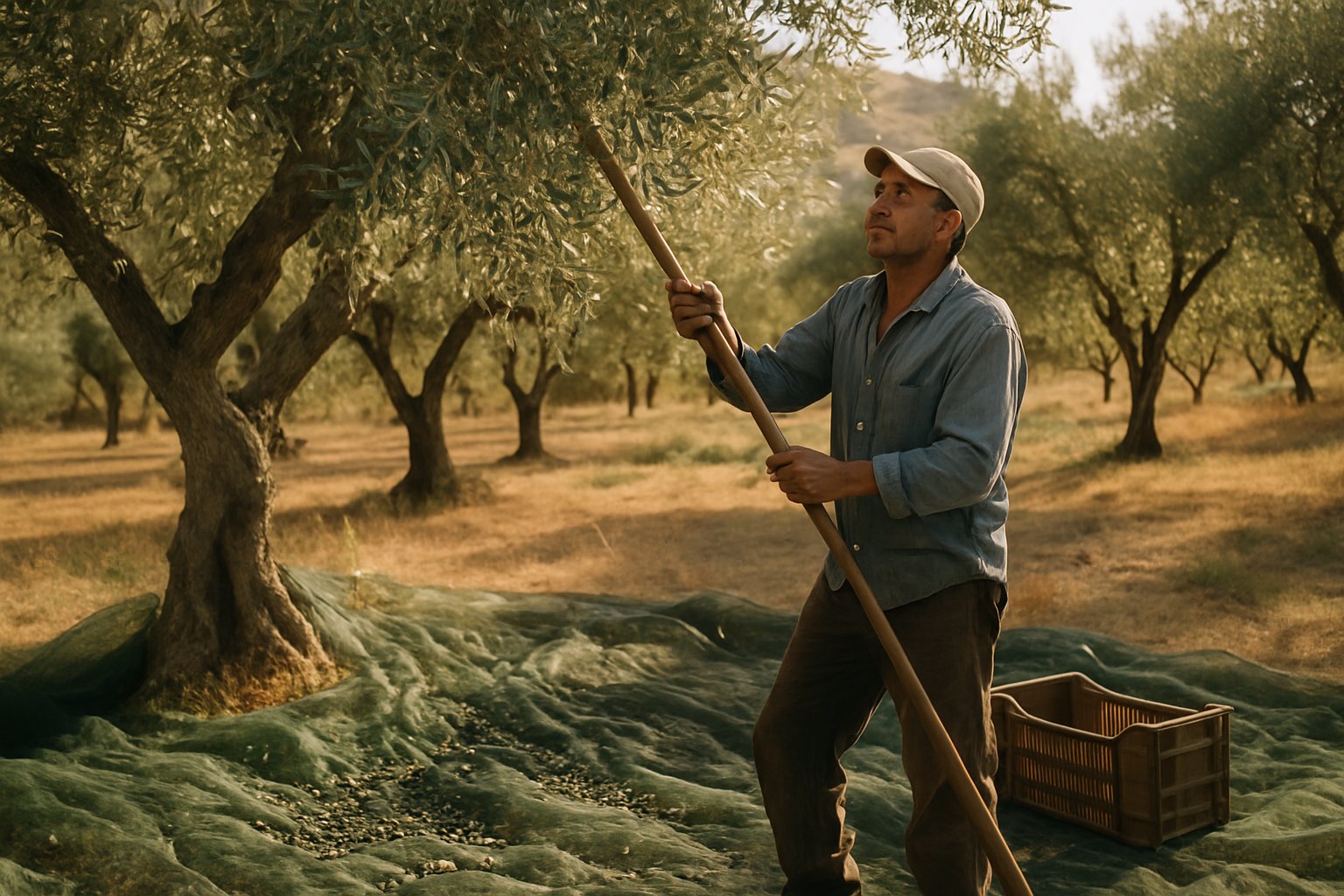
From October the village mills around Paphos start pressing, and the new season's oil comes out green, cloudy and peppery. Here's where to see it made, how to buy it well, and the olive dishes worth tracking down while it's fresh.
When the season runs
Olive time in Cyprus is spread over several months. The harvest traditionally comes in two periods depending on what the olives are for. Green olives for curing are picked earlier, while olives left on the tree to ripen and turn black are picked later, depending on the variety.
Olive mills across the island typically start working from October. The busiest stretch for growers runs from late autumn into January, when families are out with nets and ladders and the mills work long days. If you want to see pressing in action, or buy oil within days of it leaving the mill, November and December are the safest months to plan around.
Seeing olive oil being made
Village mills in Paphos district
Most mills in the Paphos villages are working mills, not visitor attractions. Their job in season is to press local families' olives, and you'll often see pick-ups queued outside with sacks of fruit. Some will let a polite visitor watch for a few minutes or sell a tin of oil over the counter. Others are simply too busy. Ask first, avoid peak hours, and don't expect a tour.
The hill villages north of Paphos are good olive country for a self-guided drive. In season, the groves are busy with pickers, and you'll pass terraces of old trees, some of them centuries old.
Agios Ioannis: stone mill demonstrations
The village of Agios Ioannis, between the Diarizos and Xeropotamos rivers, has hosted an autumn event on the nutritional and cultural value of olive oil. It has included a demonstration of extraction with a traditional stone mill and press. It is one of the few chances in the district to see the old method working. The 2026 date and programme weren't confirmed at the time of writing, so watch the Visit Paphos events page.
Oleastro Olive Park, Anogyra
For a proper visitor set-up, the nearest well-known option is just over the district line in Limassol district. Oleastro Olive Park in Anogyra has an olive museum, a shop and a mill. Oil extraction can typically be watched during the season, so check with Oleastro for current dates. Anogyra is inland from the Paphos–Limassol motorway, so it pairs well with a day out towards Pissouri. A car is the easiest way to get there; check bus timetables if you plan to go without one.
How to buy fresh oil
New-season oil is a different product from the bottle that has sat on a supermarket shelf. It is often vivid green and slightly cloudy, with a grassy smell and a peppery catch at the back of the throat. That bite is a good sign, not a fault.
- Ask when it was pressed. At a mill or farm, you want this season's oil. In shops, look for a harvest or pressing date, not just a best-before.
- Taste if you can. Producers and village shops will often let you try a drop on bread.
- Choose tins or dark glass. Light and heat are what spoil oil. Avoid clear bottles that have been sitting in a sunny window.
- Buy what you'll use. Fresh oil is at its best over the following months. A large tin is good value for a household, less so for a suitcase.
- Store it cool and dark. A cupboard away from the cooker is ideal. The fridge is not.
What to eat in olive season
The best way to taste new oil is the simplest: poured over warm village bread with a pinch of salt, or over a plate of tomatoes, cucumber and halloumi. Beyond that, look out for these traditional olive preparations on taverna tables and in village bakeries.
Elies tsakistes
Green olives cracked with a stone (tsakistes means cracked) and then marinated. A classic dressing uses coriander seed, lemon, olive oil and garlic. They're made from the early green harvest, and they usually arrive in a small bowl before you've ordered anything else at a Cypriot meal.
Elies koumniastes
Ripe black olives brined for three or four days, then packed with salt in a clay jar called a koumna, which gives them their name. They're wrinkled, intense and salty, and they make a good match for strong cheese and a glass of local red.
Eliopitta
Olive pie, most often a small round bun with whole olives baked in. Other versions knead chopped olives into the dough with onion and fresh coriander. Village bakeries and coffee shops are the places to look. It's a good walking snack on a cool harvest-season morning.
Before you set out
Mill opening, pressing days and event dates depend on the harvest and the weather, and village producers rarely publish hours, so check before you go. Phone ahead where you can and ask at your accommodation or in the village kafeneio. For organised autumn food events across the region, the Cyprus Agrotourism events calendar and the Visit Paphos events page are the places to watch through October and November.
Leave a Reply